Recovery Tips After Getting Dental Implants in Bakersfield CA

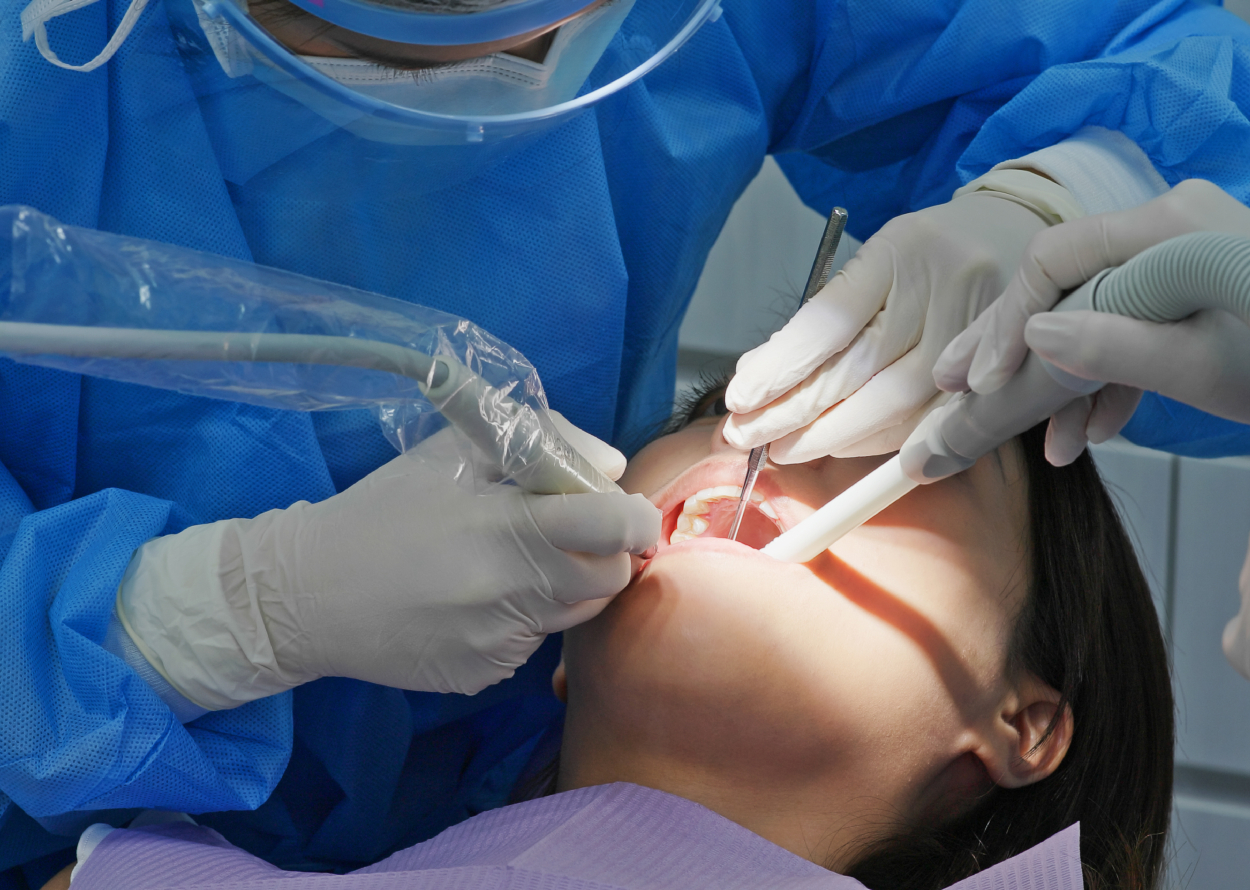
Getting dental implants is a major step, and for most patients, the recovery period is where the real work begins. The procedure itself is only one part of the process. Healing well, protecting the surgical site, and following the right habits over the next several days and weeks can make the difference between a smooth outcome and a frustrating setback.
Patients often expect recovery to be dramatic, but in many cases it is more manageable than they imagined. What catches people off guard is not usually severe pain. It is the little things, sleeping comfortably, figuring out what to eat, noticing swelling peak on day two, and wondering whether that faint metallic taste is normal. Those details matter. They shape your experience, and they deserve practical guidance.
If you have recently had Dental Implants Bakersfield CA placed, your environment also plays a role. https://www.google.com/maps?cid=17479708580987630325 Bakersfield’s dry climate, long warm seasons, and active outdoor lifestyle can influence hydration, comfort, and how cautious you need to be in the first few days. Recovery advice should never feel generic. The best guidance takes your real day-to-day life into account.
The first 24 hours set the tone
The earliest phase of healing is mostly about protection. Your body is trying to form a stable blood clot and begin the repair process around the implant site. During this window, people often sabotage healing without realizing it. They rinse too aggressively, test the area with their tongue, spit repeatedly, or go back to normal eating too fast.
A small amount of bleeding or pink saliva is common on the first day. That usually looks more dramatic than it is. What matters is whether the bleeding slows steadily. Biting gently on gauze as directed by your dental team helps apply pressure where it is needed. Constant checking does not help. In fact, repeated disturbance of the site can restart bleeding.
Rest matters more than patients like to admit. Even healthy, active adults benefit from taking it easy after implant placement. A quiet afternoon indoors is better than running errands all over town. I have seen people do perfectly well after surgery, then trigger more swelling simply because they decided to clean the garage, walk around a shopping center, or spend several hours outside in the heat the same day. Bakersfield temperatures can be unforgiving, especially if you are even slightly dehydrated after a procedure.
Keep your head elevated when lying down. That can reduce throbbing and limit swelling overnight. Many patients are more comfortable with an extra pillow for the first one to three nights.
What normal discomfort usually looks like
Recovery after implant surgery is not identical for everyone. A single straightforward implant in a healthy patient may produce only mild soreness. Multiple implants, bone grafting, sinus involvement, or an extraction done at the same appointment can create a more noticeable recovery.
Still, some patterns are common. Swelling often increases during the first 48 to 72 hours before it begins to ease. Mild bruising in the cheek or under the jaw can happen, especially in patients who bruise easily or take blood-thinning medication under physician guidance. Jaw stiffness is also common, particularly if your mouth was open for a long appointment.
Pain should generally feel manageable with the medication plan your dentist or oral surgeon recommended. For many people, prescription pain medication is either not needed at all or only needed briefly. Others do better with a schedule of over-the-counter anti-inflammatory medication, if medically appropriate. The important point is this: severe pain that worsens rather than improves deserves attention. Normal postoperative soreness usually trends in the right direction, even if it comes in waves.
Eating without disturbing the implant
Food becomes a bigger issue than most patients expect. Hunger returns before confidence does. People know they should avoid hard or crunchy foods, but they often underestimate how much chewing pressure matters, especially near a new implant.
For the first several days, think soft, cool to lukewarm, and easy to swallow or chew away from the surgical area. Yogurt, eggs, oatmeal that has cooled somewhat, mashed potatoes, cottage cheese, smoothies eaten with a spoon, soup that is not hot, and soft fish are all common choices. Temperature matters because very hot foods and drinks can increase bleeding and discomfort early on.
One thing I often tell patients is that “soft food” does not automatically mean “safe food.” Rice, seeded bread, chips, popcorn, and crumbly crackers can all sneak into the area and irritate the tissue. Tiny particles are surprisingly annoying around healing gum tissue. Even a food that seems gentle can become a problem if it breaks apart into sharp bits.
If you had an implant placed on only one side, use the opposite side for chewing until your dentist says otherwise. If you had several sites treated, the soft-food period may last longer than you would prefer. That can feel tedious, but it is temporary, and it protects the investment you just made.
The hydration issue people overlook in Bakersfield
Dryness makes everything feel worse. A dry mouth feels stickier, more irritated, and more vulnerable. Bakersfield’s climate can amplify that, especially if you spend time outdoors, work in a physically demanding job, or recover with indoor air conditioning running constantly.
Drink water steadily throughout the day. Not all at once, and not through a straw unless your doctor specifically says it is fine. The suction from straws is often discouraged immediately after oral surgery because it can disturb the healing site. Small, regular sips are more helpful anyway.
Mouth breathing is another hidden problem. If you sleep with your mouth open, wake up congested, or have seasonal allergies, the tissues can feel rough and tender by morning. That does not mean something is wrong with the implant, but it can make recovery feel harsher. A cooler room, adequate hydration, and following your provider’s instructions for gentle oral rinses later in recovery can help.
Coffee is a frequent question. Most regular coffee drinkers can tolerate waiting longer than they think if it means a smoother recovery. If you do resume it, avoid very hot temperatures at first. The same goes for tea.
Oral hygiene needs finesse, not force
Patients tend to split into two camps after implant surgery. One group is afraid to clean anything. The other tries to brush the surgical area as if it were normal. Neither approach is ideal.
You do need oral hygiene. Plaque accumulation near healing tissue is not helpful. But the area has to be treated gently and according to the instructions you were given. Usually that means keeping the rest of the mouth clean as normal while being cautious around the implant site at first. A soft toothbrush is your friend here. So is patience.
If your dentist prescribed a medicated rinse or recommended warm salt water after a certain point, use it exactly as directed. More is not better. Vigorous swishing can be as irritating as no cleaning at all. The goal is to keep the area clean without mechanically disturbing the tissue trying to seal and mature around the implant.
A surprising number of patients admit they keep pulling their lip or cheek back to inspect the site in the mirror. That constant stretching can irritate the tissue and increase soreness. Resist the urge to monitor every visual detail. Healing tissue often looks uneven, pale, red, or slightly puffy before it looks normal again.
Swelling control that actually works
Ice is useful early, but timing matters. During the first day, cold packs applied intermittently to the outside of the face can help limit swelling and numb discomfort. By day three, ice tends to help less because the inflammatory phase is already underway. At that point, many people get more relief from rest, head elevation, hydration, and simply giving the body time.
Here is a simple framework patients usually find easy to follow:
- Use a cold pack on the outside of the face in short intervals during the first 24 hours.
- Keep your head elevated when resting or sleeping.
- Avoid strenuous activity for at least a couple of days, longer if your surgeon advised it.
- Take medications on schedule rather than waiting until discomfort spikes.
- Call your dental office if swelling becomes dramatic, one-sided in a concerning way, or continues worsening after several days.
People often panic when day two looks puffier than day one. That can be normal. The pattern matters more than the absolute amount. A steady turn toward improvement is reassuring. A sharp turn toward worsening, especially with fever or foul taste, deserves a closer look.
Why smoking and alcohol are especially risky right now
This is the part many patients do not love hearing, but it is one of the most important factors in implant recovery. Tobacco and nicotine reduce blood flow and interfere with tissue healing. They also increase the risk that the implant will not integrate as well with the bone. Even people who normally heal quickly can run into trouble here.
Alcohol is not as consistently destructive as nicotine, but in the immediate recovery period it can still be a bad trade. It can interact with pain medication, dry the mouth, irritate healing tissue, and make people less careful about food choices and activity levels. A patient who would never chew on the implant site while fully alert may do exactly that after a couple of drinks and a late dinner.
If you have been looking for a moment to pause nicotine use, this is a meaningful one. It is not just about comfort. It is about giving the implant the best chance to become stable long term.
Sleep, exercise, and getting back to normal life
Most people can return to desk work fairly quickly, often the next day, though that depends on the complexity of the procedure and whether sedation was used. Physical jobs are a different story. Heavy lifting, repeated bending, prolonged outdoor heat exposure, and strenuous exercise can all increase bleeding, throbbing, and swelling.
The athlete’s mindset can get in the way here. Patients who are used to running, cycling, gym training, or field work often assume that if they “feel okay,” they are okay. Implant recovery does not always work like that. You can feel decent and still irritate the site with increased blood pressure and movement.
Give yourself a few days before resuming light activity, unless your surgeon has given a more specific timeline. For anything intense, follow the customized advice you received. Bone grafting, sinus lifts, and multiple implants often call for more restraint.
Sleep tends to improve noticeably after the first two or three nights. If you are having trouble, consider whether the problem is pain, swelling, anxiety, or medication timing. Many patients let the pain medication wear off completely before bed and then wake up miserable at 2 a.m. Staying ahead of discomfort, within the dosing plan you were given, usually works better than chasing it later.
Temporary teeth need careful treatment
Some implant patients leave with a temporary crown, bridge, or denture. That can be a huge emotional relief because you do not have to walk around with a visible gap. But temporary teeth can also create false confidence.
A temporary is not permission to chew normally. In many cases, the provisional tooth is there for appearance and light function, not for biting into sandwiches, nuts, crusty bread, or steak. This is one of the more common reasons for avoidable complications. The implant underneath needs a quiet healing environment. Excess force, especially early micromovement, is not what you want.
If your bite feels off, do not assume it will “settle.” Contact your dental office. A temporary that hits too heavily can put stress on the implant or surrounding teeth. This is usually a fixable issue, but it should be adjusted professionally rather than tolerated.
Bone grafting changes the recovery a bit
Many cases of Dental Implants Bakersfield CA involve some level of bone grafting, either because the site needed preservation after extraction or because the jaw required more support for long-term implant success. Patients with grafting often notice extra fullness, tenderness, or a grainy material in the mouth if a small amount of graft particles works its way out. That can be normal, depending on the case.
The key is not to disturb the area. Aggressive rinsing and poking at the site are particularly unhelpful when graft material is present. Healing may also feel slower because more tissue is involved. That does not necessarily mean something is wrong. It means your body is managing a bigger repair project.
This is one reason general recovery timelines online can be misleading. A friend who had a single implant without grafting may have been back to normal food quickly. That does not mean your slower recovery is abnormal. Apples-to-apples comparisons are rare in implant dentistry.
When to call your dentist or oral surgeon
Most postoperative questions end with reassurance, but some symptoms need real attention. Patients are often hesitant to call because they do not want to overreact. In practice, dental offices would rather hear from you early than after a minor issue has become a bigger one.
Reach out if you notice any of the following:
- Bleeding that stays heavy or does not slow with pressure.
- Pain that is severe, increasing, or poorly controlled by the plan you were given.
- Swelling that keeps getting worse beyond the first few days, especially with fever.
- A bad taste, drainage, or odor that seems new and persistent.
- A feeling that the implant, temporary tooth, or healing cap is moving.
Movement is especially important. A dental implant should not feel loose. Sometimes what patients perceive as implant movement is actually the gum tissue, a healing abutment, or a temporary restoration. Even so, it is worth checking promptly.
The emotional side of recovery is real
People do not always talk about this, but dental surgery can stir up more stress than expected. Even when the procedure goes well, patients can become hyperaware of every sensation. They google photos, compare themselves to strangers online, and assume the worst if healing does not look perfect by day three.
Try to judge recovery by trends, not by isolated moments. One rough night, one swollen morning, or one odd-looking patch of gum tissue does not define the whole process. Most implant recoveries improve steadily, though not always in a perfectly smooth line.
It also helps to remember what implants are doing biologically. This is not just a surface wound closing up. The bone is adapting to a titanium fixture and gradually integrating with it. That process takes time. Feeling “mostly normal” and being fully healed are not the same thing.
Follow-up appointments are part of treatment, not an afterthought
Some patients see the surgery as the main event and the checkups as optional. That is a mistake. Your provider uses follow-up visits to verify that the tissue is healing properly, remove sutures if needed, assess stability, and make sure the next phase happens on schedule.
This matters even more if your care includes several stages, such as extraction, grafting, implant placement, uncovering the implant later, and final restoration. Each step depends on the earlier one healing well. Skipping a visit because “it feels fine” can delay the whole plan or allow a small issue to go unnoticed.
If you are investing in Dental Implants Bakersfield CA, protect that investment by staying engaged with the process. Good outcomes are built in layers, surgery, healing, monitoring, and restoration.
A better recovery usually comes down to discipline, not toughness
The patients who recover best are not always the toughest or least sensitive. They are the ones who follow directions carefully, avoid shortcuts, and respect the timeline. They eat conservatively a little longer than they want to. They take a break from hard exercise. They keep the site clean without fussing over it. They call when something seems off.
That approach may not feel dramatic, but it works. Implant healing rewards consistency. The quieter and more stable the early phase is, the better your chances of long-term success.
A well-placed implant can serve you for many years, often far longer than patients first imagine. The recovery period is short by comparison, but it has outsized importance. If you give your body what it needs now, rest, hydration, gentle care, and patience, you make the rest of the treatment journey much easier.
Smyle Dental Bakersfield
2016 E St, Bakersfield, CA 93301, United States
+16614939040
FAQ About Dental Implants Bakersfield CA
What is the downside of a dental implant?
The main downsides of dental implants involve high financial costs, surgical risks, a lengthy healing process, and the potential for long-term complications.
How much does a full set of implants usually cost?
A full set of dental implants (covering both the upper and lower arches) typically ranges from $6,000 to $90,000+, depending heavily on the type of treatment, materials used, and whether the teeth are fixed or removable.
Can I have all my teeth pulled and get implants?
Yes, you can have all your teeth pulled and replaced with dental implants. Instead of placing a separate implant for every single tooth (which is costly and time-consuming), dentists typically use full-arch systems.